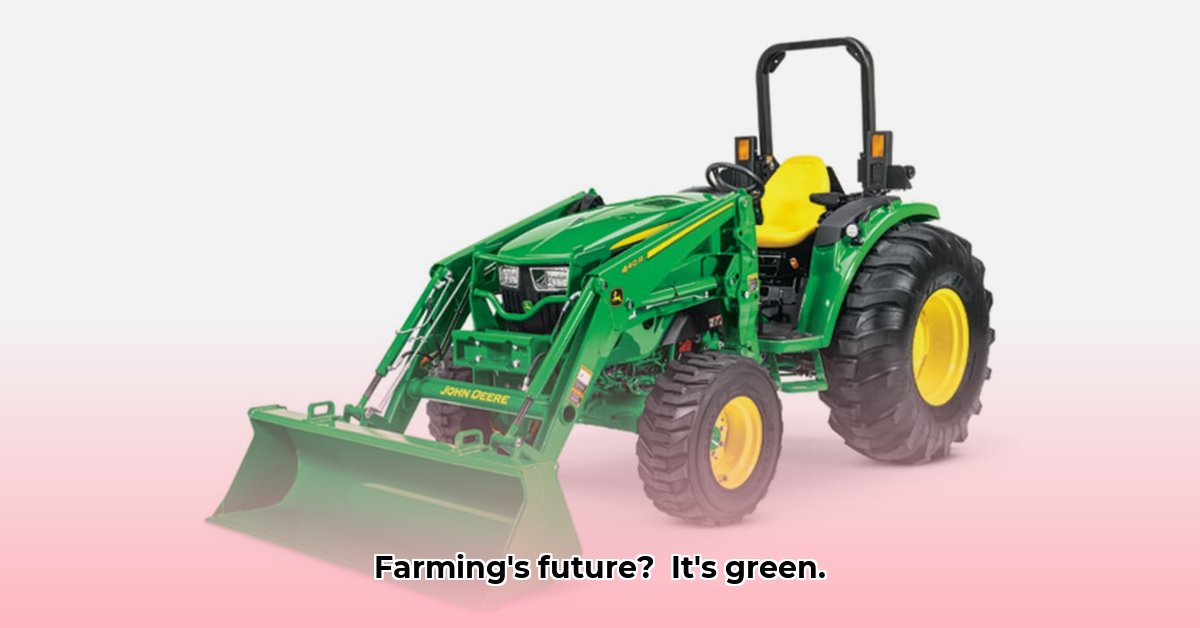
Precision Agriculture: A Technological Leap with Trade-offs
John Deere's precision farming technologies, such as GPS-guided planting and variable-rate technology (VRT) for fertilizer and pesticide application, offer significant potential for resource optimization. These systems enable farmers to precisely target inputs, minimizing waste and maximizing yields. Farmers using these technologies report substantial improvements in efficiency and profitability, leading to less wasted fertilizer (meaning less water pollution) and reduced water usage. However, some experts argue that these technologies primarily address the symptoms of unsustainable farming practices—like optimizing fertilizer use within a monoculture system—rather than the root causes, such as soil depletion inherent to monoculture farming. Furthermore, the benefits are often skewed towards large-scale operations, leaving smaller farmers at a disadvantage. For more information on John Deere's 9X tractor, check out this link. How can we ensure equitable access to these technologies while addressing the limitations of their current application?
The Environmental Footprint: From Factory to Field
Manufacturing John Deere tractors, like any complex machinery, necessitates significant energy and raw materials, resulting in greenhouse gas emissions and pollution. The tractor's operational energy consumption and eventual disposal also contribute to its overall environmental footprint. While John Deere is increasingly adopting lifecycle assessments (LCAs) – a comprehensive analysis of a product's total environmental impact – greater transparency and commitment to reducing their environmental impact are needed. The ongoing reliance on fossil fuels in tractor operation presents a major challenge. The transition to alternative fuels, such as electric or biofuels, is crucial but remains a complex and time-consuming process. What innovative solutions can accelerate this transition to cleaner energy sources for agricultural machinery?
The Data Dilemma: Privacy and Precision
John Deere's equipment collects vast amounts of data on soil conditions, planting patterns, and yields. This data-rich environment enables improved decision-making and increased efficiency. However, concerns around data ownership, security, and usage arise. Robust data security protocols and transparent data-sharing policies are vital to build farmer trust and encourage broader adoption of these technologies. How can we balance the benefits of data-driven agriculture with the need for robust data privacy protections for farmers?
Equity and Accessibility: Bridging the Technology Gap
The high cost of purchasing and maintaining advanced agricultural technologies, including John Deere equipment, presents a significant barrier to entry for small-scale farmers, particularly in developing countries. This technological divide exacerbates existing inequalities within the agricultural sector. Addressing this disparity requires targeted financial assistance programs and educational initiatives to ensure that all farmers can benefit from technological advancements. What innovative financing models and support systems can ensure that smaller farmers are not left behind in the transition to sustainable agriculture?
The Path to a Sustainable Future: A Collaborative Approach
Achieving a truly sustainable agricultural future necessitates a collaborative effort involving multiple stakeholders:
- John Deere: Increased transparency on environmental impacts, improved data security, transition to alternative fuels, sustainable material sourcing, and financial assistance for smaller farms.
- Farmers: Responsible adoption of precision farming, active data management, exploration of diverse cropping systems, investment in soil health, and reduced reliance on chemical inputs.
- Governments/NGOs: Financial incentives for sustainable practices, technical assistance, data security policies, investment in rural infrastructure, and promotion of sustainable farming research.
- Consumers: Demand for transparency in food production, support for sustainable agriculture practices, and reduced food waste.
Dr. Anya Sharma, Professor of Agricultural Economics at the University of California, Berkeley, highlights the importance of "holistic sustainability," stating, "We must move beyond simply optimizing individual practices to consider the entire agricultural ecosystem. This requires coordinated efforts across the supply chain and a commitment to equitable distribution of benefits."
Conclusion: A Shared Responsibility
John Deere's role in shaping the future of agriculture is multifaceted. While their precision farming technologies offer significant potential for environmental gains and increased efficiency, challenges remain in addressing the environmental footprint of manufacturing, ensuring data security, and bridging the technology gap between large-scale and small-scale operations. The path toward sustainable agriculture requires collaboration, transparency, and a shared commitment from all stakeholders to build a resilient and equitable food system for generations to come. The urgent need for innovative solutions and a commitment to responsible practices is paramount in navigating the complexities of this critical issue.